
Build Your Dream Sauna: Transform Your Home Into a Personal Wellness Retreat
Your home is more than a place to live—it reflects your lifestyle, priorities, and sense of comfort. For many homeowners, creating spaces that promote wellness and relaxation is just as important as aesthetics. Among the various options available, a custom sauna offers a unique combination of health benefits, comfort, and personalization. Unlike pre-built units, a custom sauna allows you to tailor every aspect to your home, your routines, and your wellness goals.
Custom saunas are designed not just for heat—they provide controlled environments that support muscle recovery, circulation, and stress reduction. Research indicates that regular sauna use can improve cardiovascular health, promote mental relaxation, and aid in sleep regulation (Harvard Health Publishing; ScienceDirect). By building a sauna suited to your preferences, you can maximize these benefits while creating a space that complements your lifestyle.
Why a Custom Sauna Is a Smart Investment
A sauna is more than a luxury item—it is a wellness tool that integrates seamlessly into daily life. Scientific studies highlight that passive heat therapy can support cardiovascular function, reduce blood pressure, and promote relaxation through activation of the parasympathetic nervous system (National Library of Medicine). With these benefits in mind, designing a custom sauna becomes both a practical and health-focused decision.
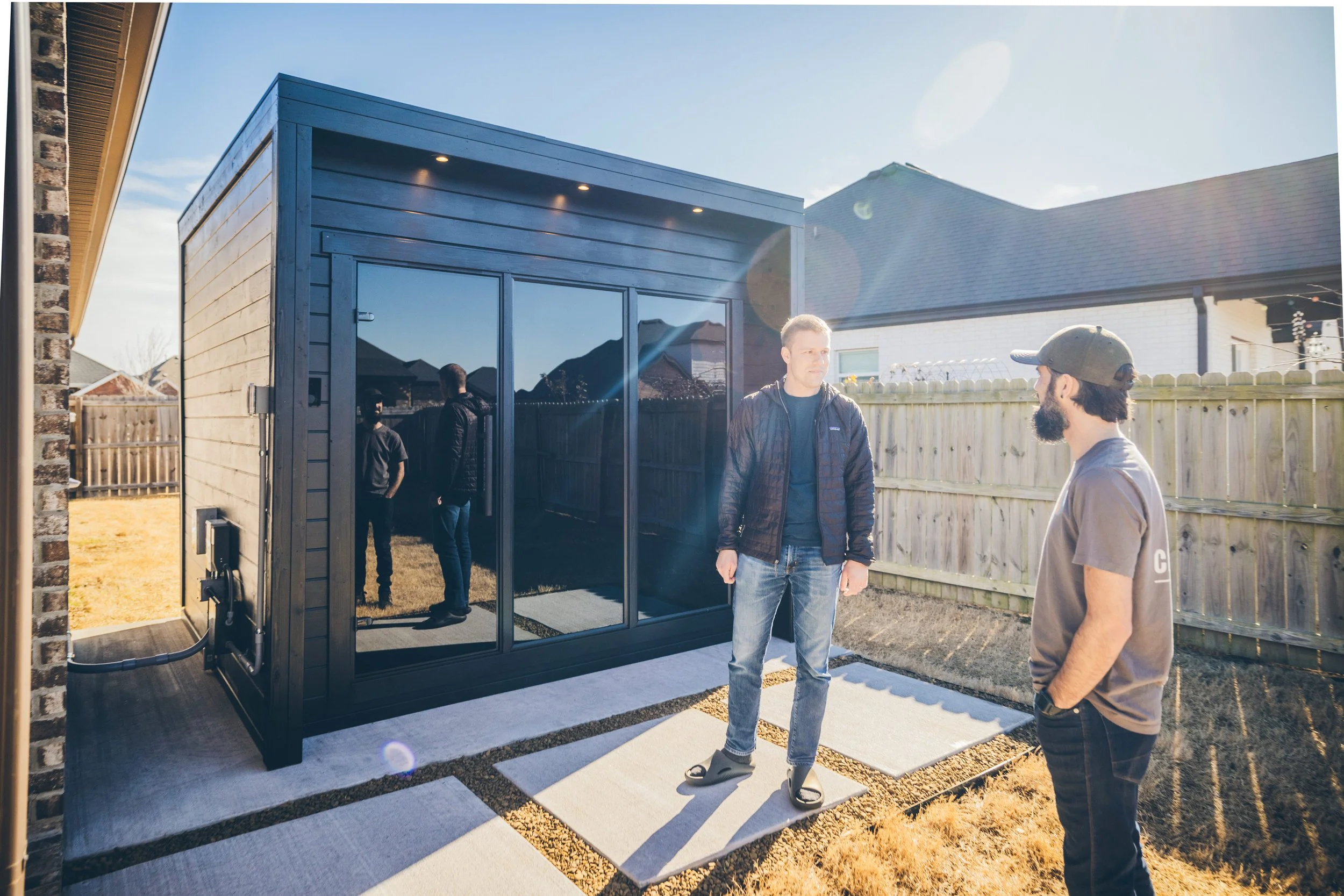
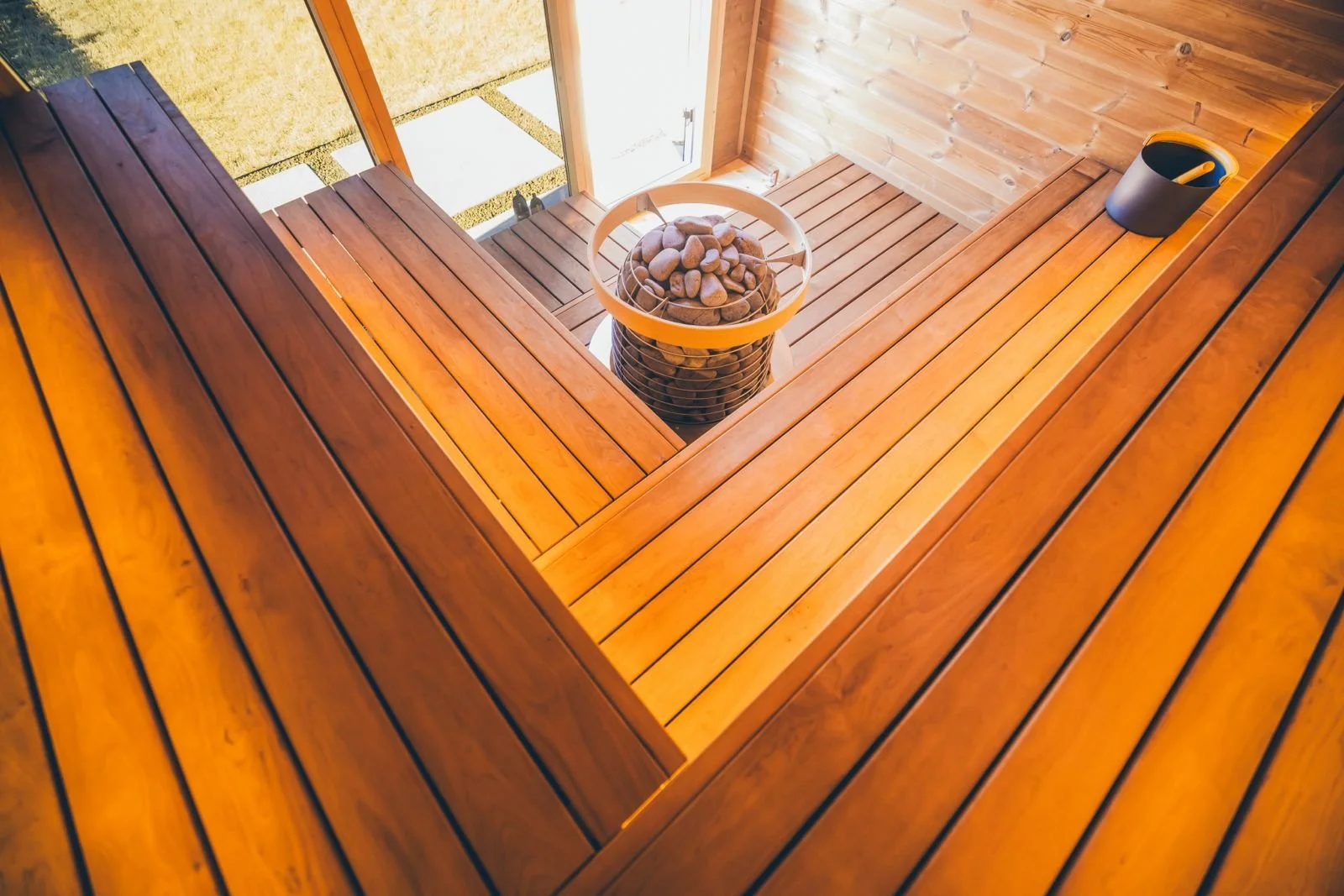
Unlike standard units, a custom sauna is designed to fit your space and your lifestyle. Indoor saunas can serve as private retreats in basements or home gyms, while outdoor models can enhance gardens or patios. The design process allows you to consider factors such as layout, seating ergonomics, materials, lighting, and acoustics. Thoughtful integration ensures that the sauna is both functional and enjoyable, supporting consistent use over time.
Tailoring Your Sauna to Your Needs
Customization is central to the benefits of a personal sauna. The choice of heating technology, for instance, can affect both energy efficiency and the type of heat experienced. Traditional electric or wood-fired heaters warm the air and promote intense, radiant heat, while infrared panels deliver targeted warmth directly to the body, supporting muscle recovery and circulation with lower ambient temperatures. Research shows that infrared therapy can improve local circulation and aid in post-exercise recovery (ScienceDirect).
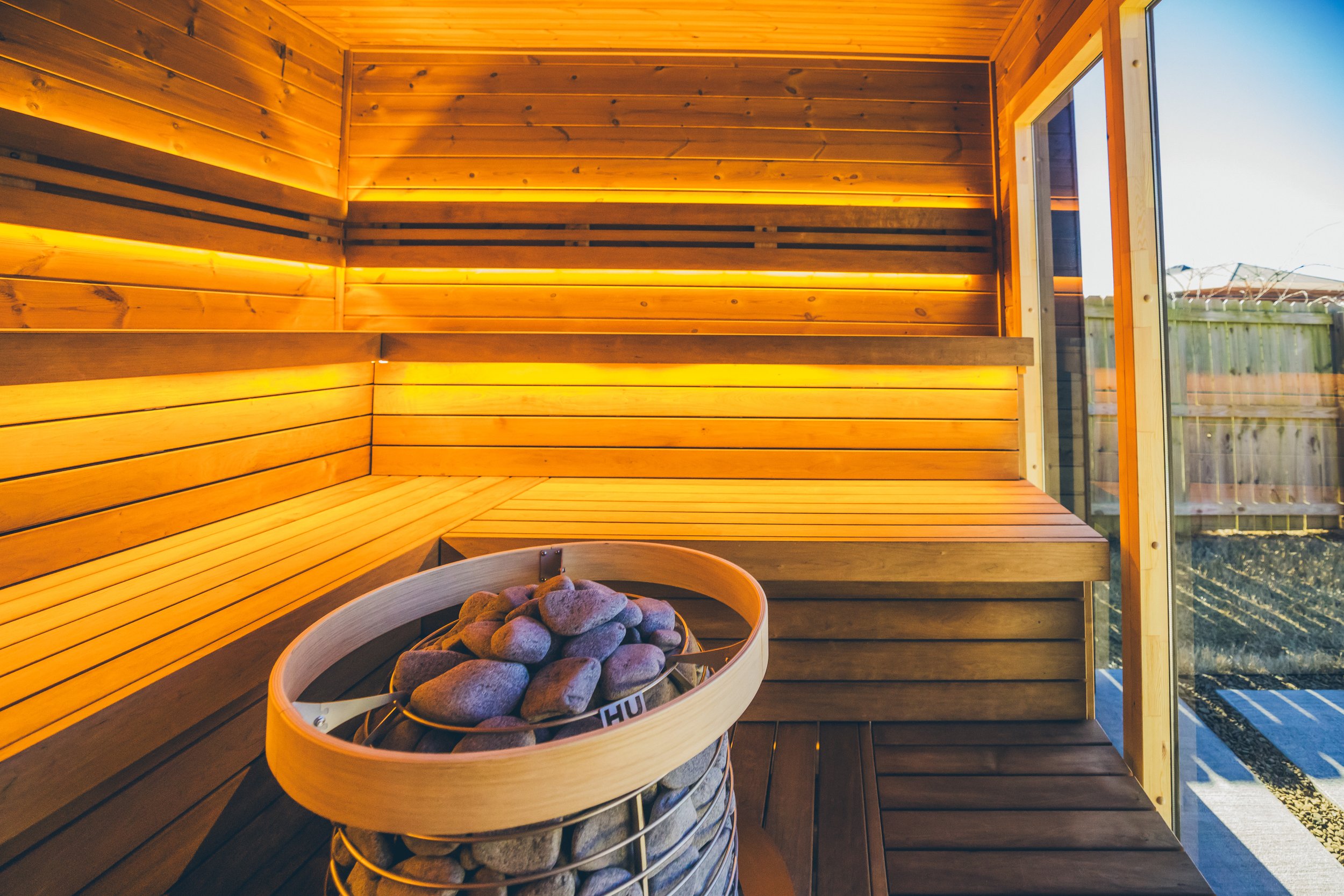
Materials are equally important. High-quality woods like cedar, thermally treated aspen, or alder offer durability, natural fragrance, and insulating properties. Beyond their thermal performance, the natural oils in these woods may contribute to a calming, aromatic environment, which can enhance relaxation and mental clarity. Ergonomic seating and adjustable benches further improve comfort, allowing users to fully immerse themselves in the heat without strain.
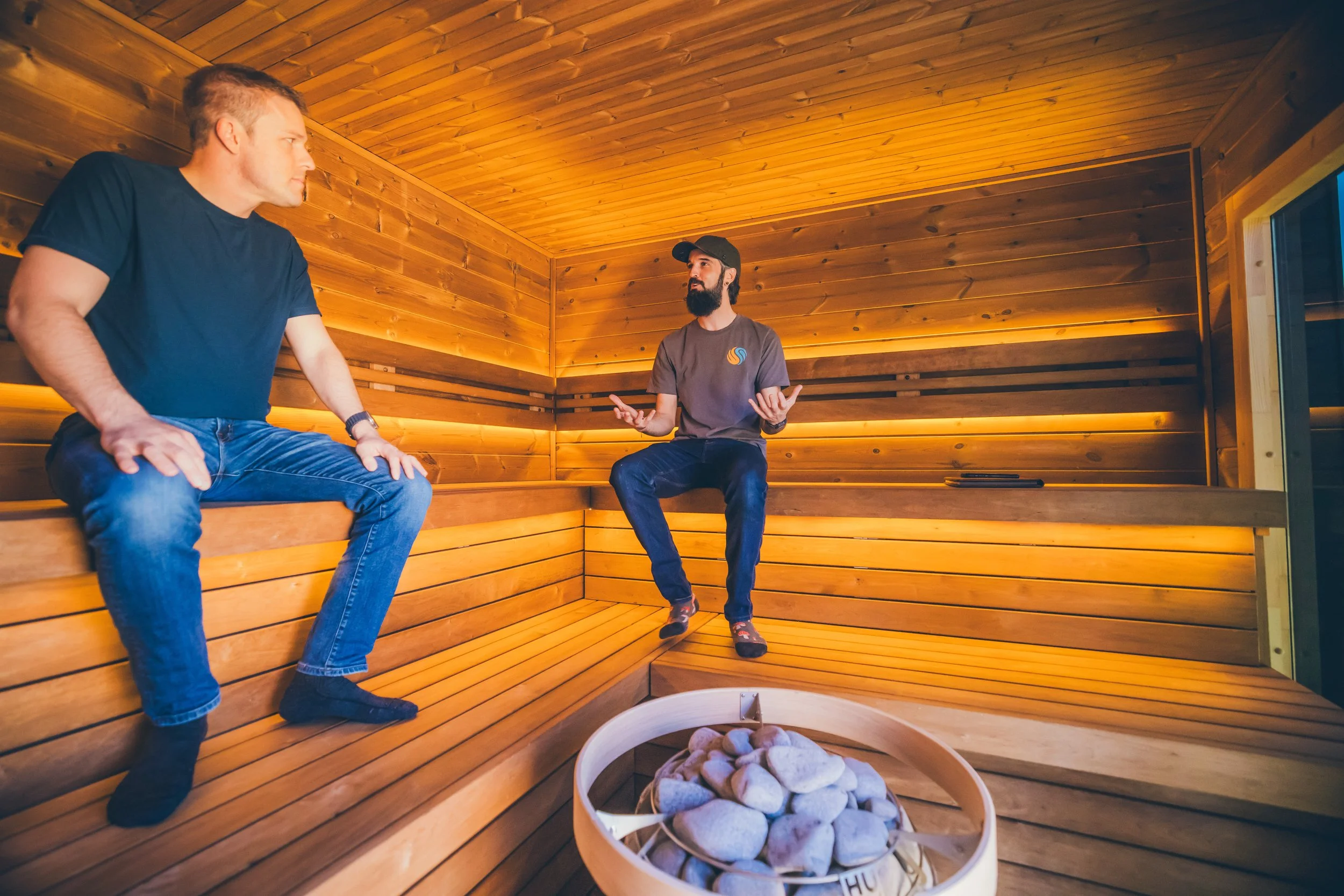
Lighting and sensory features also influence the experience. Incorporating soft LED lighting, chromotherapy options, or built-in sound systems can create an environment conducive to relaxation, helping the body transition into a parasympathetic state. Studies on environmental psychology indicate that lighting and sensory cues significantly affect perceived stress and relaxation levels, making these design elements more than aesthetic choices (Mayo Clinic).
Seasonal Wellness and Year-Round Benefits
A well-designed sauna can extend your home’s wellness spaces throughout the year. During cold winter months, a sauna offers warmth and a sanctuary for stress relief. In autumn, it complements outdoor activities like yard work or walking, providing a restorative environment to counteract seasonal fatigue. Spring sessions can support post-gardening recovery, while summer use can complement outdoor recreation, helping muscles relax and promoting hydration after exercise.
From a physiological perspective, short, regular sauna sessions—typically 15–20 minutes—stimulate circulation, support thermoregulation, and trigger a relaxation response in the body. Controlled heat exposure has been associated with reductions in cortisol levels and improved sleep quality, which are essential for long-term wellbeing (Harvard Health Publishing; ScienceDirect). A custom sauna makes these benefits accessible in a space that aligns with your daily life.
Practical Design Considerations
Planning a custom sauna requires attention to both functionality and longevity. Selecting an appropriate location is crucial. Indoor units may require careful ventilation and humidity control, while outdoor cabins must withstand seasonal temperature changes. Properly sized heaters, insulation, and ventilation systems ensure consistent heat distribution and efficient operation, even with frequent use.
Accessibility is another important factor. Ergonomically designed benches, safe entry points, and easy-to-use control panels support both comfort and safety, ensuring that all household members can enjoy the sauna with minimal risk. Studies on adherence to wellness routines suggest that accessible and comfortable design increases the likelihood of regular use, enhancing long-term health benefits (ScienceDirect).
Balancing Efficiency and Comfort
While the focus of this blog is customization and wellness, energy efficiency remains an important consideration. Appropriately sized heaters, proper insulation, and modern temperature controls can maintain stable heat without excessive electricity use. Efficient design reduces operating costs while supporting environmental sustainability, allowing homeowners to enjoy daily sauna sessions with minimal resource impact.
Maintenance is equally critical. Regular inspection of heaters, stones, and ventilation systems ensures the sauna operates safely and efficiently. Keeping doors closed during sessions and preheating only when necessary further supports efficient energy use. These simple habits contribute to long-term performance and satisfaction, ensuring the sauna remains a central feature of the home’s wellness routine.
Creating a Wellness Routine at Home
A custom sauna is most beneficial when incorporated into a consistent wellness routine. Using the sauna before or after physical activity can enhance muscle recovery and reduce soreness, while sessions at the end of the day support stress reduction and improved sleep. The combination of heat exposure, ergonomic design, and sensory features creates a holistic environment for mental and physical restoration.
Scientific literature supports the regular use of passive heat therapy for cardiovascular and musculoskeletal health, as well as psychological wellbeing (National Library of Medicine; Harvard Health Publishing). By designing a sauna that meets your specific needs, you can integrate these benefits into daily life with minimal disruption and maximum impact.
Chillfire Sauna Co. assists homeowners in creating custom sauna solutions that balance comfort, safety, and wellness benefits. From indoor retreats to outdoor installations, professional guidance ensures your sauna integrates seamlessly into your home while meeting functional and lifestyle goals.
References for Further Reading
National Library of Medicine – Sauna Bathing and Cardiovascular Function
Harvard Health Publishing – Health Effects of Sauna Bathing
ScienceDirect – Passive Heat Therapy and Circulatory Response
Mayo Clinic – Sauna Safety and Health Considerations
Sauna Installations in Northwest Arkansas
Custom sauna installations have grown in popularity across Northwest Arkansas as homeowners seek wellness-focused spaces within their homes. Whether adding a backyard cabin, an indoor wellness room, or a compact outdoor structure, professional planning ensures safe, efficient, and enjoyable results.
For consultation or installation guidance, reach Chillfire Sauna Co. at +1 479-388-0298.
