
The Sauna–Stress Resilience Connection
Stress is unavoidable. How we respond to it is not.
In a world that constantly demands more of our attention, energy, and emotional bandwidth, building stress resilience—our ability to adapt and recover from stress—has never been more important. One surprisingly powerful (and ancient) tool for strengthening that resilience is the sauna.
Stress Isn’t the Enemy—Poor Recovery Is
Short bursts of stress can actually be beneficial. They sharpen focus, strengthen the body, and stimulate growth. Problems arise when stress becomes chronic and recovery is inadequate. Over time, this imbalance can lead to fatigue, anxiety, inflammation, and burnout.
This is where sauna use enters the picture.
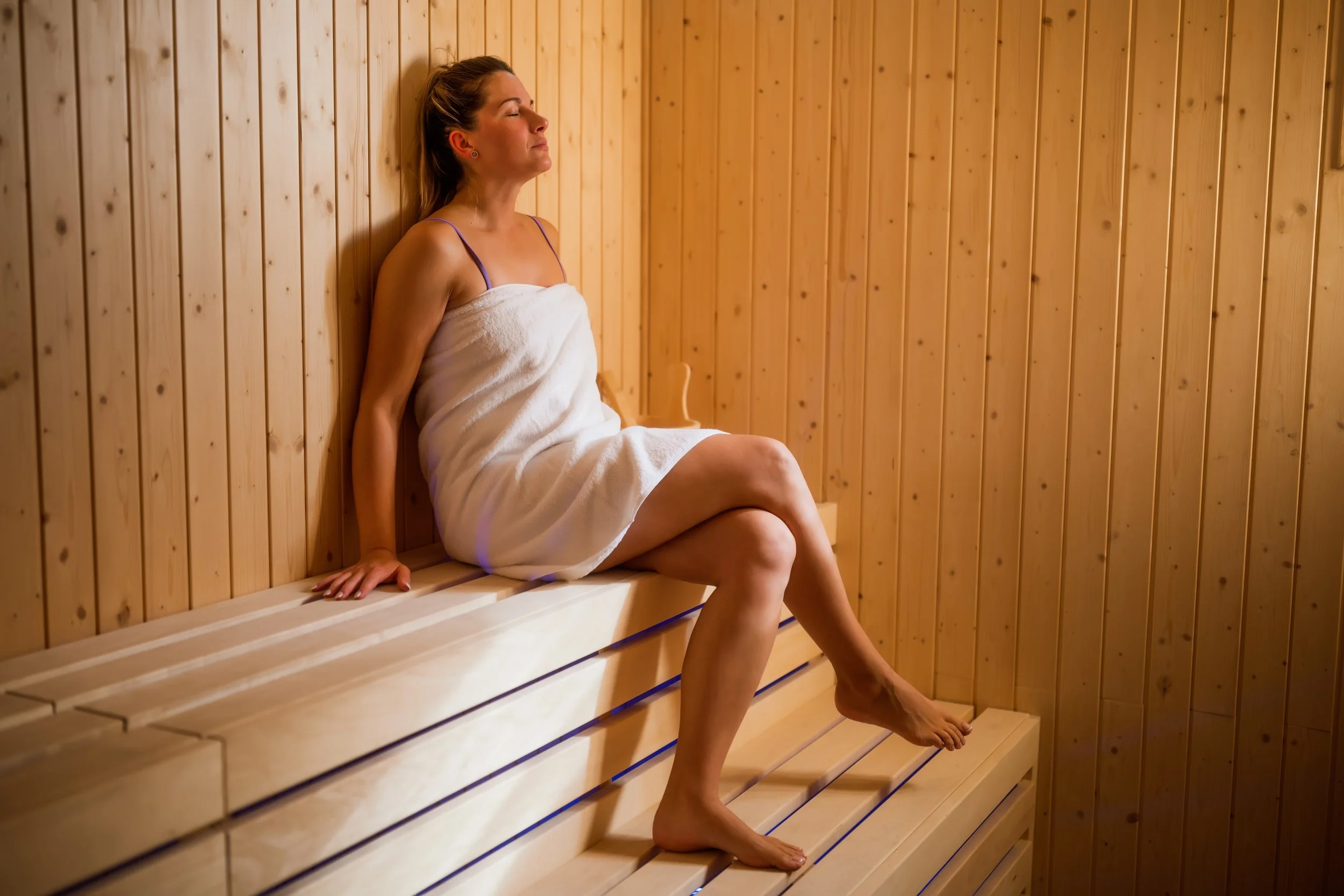
Heat as a “Good Stressor”
Sauna bathing exposes the body to controlled heat stress. While this may sound counterintuitive, this type of stress—often referred to as hormetic stress—triggers positive adaptations in the body.
During a sauna session:
Heart rate increases, similar to moderate exercise
Blood vessels dilate, improving circulation
Heat shock proteins are activated, helping repair and protect cells
These physiological responses train the body to handle stress more efficiently, both physically and mentally.
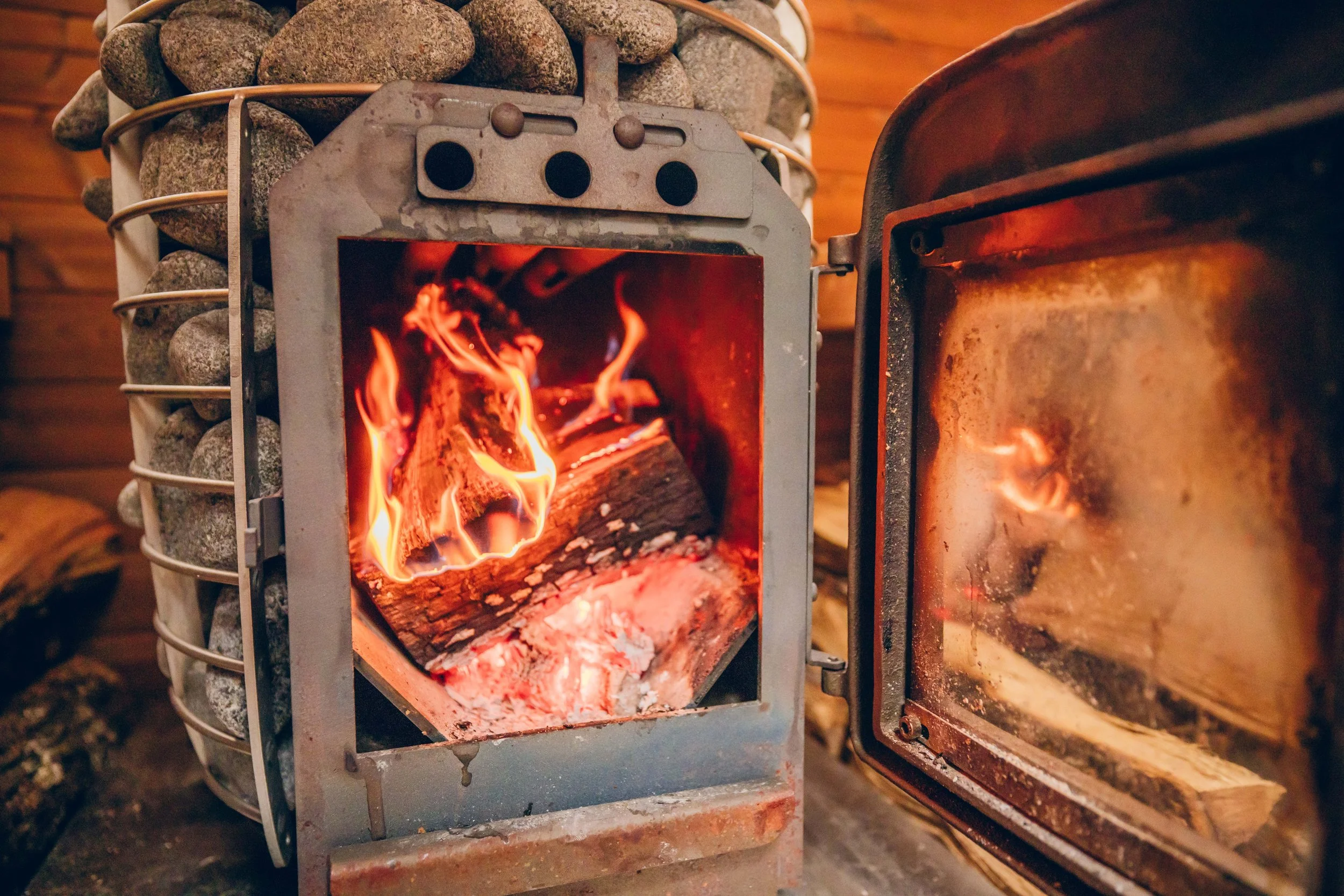
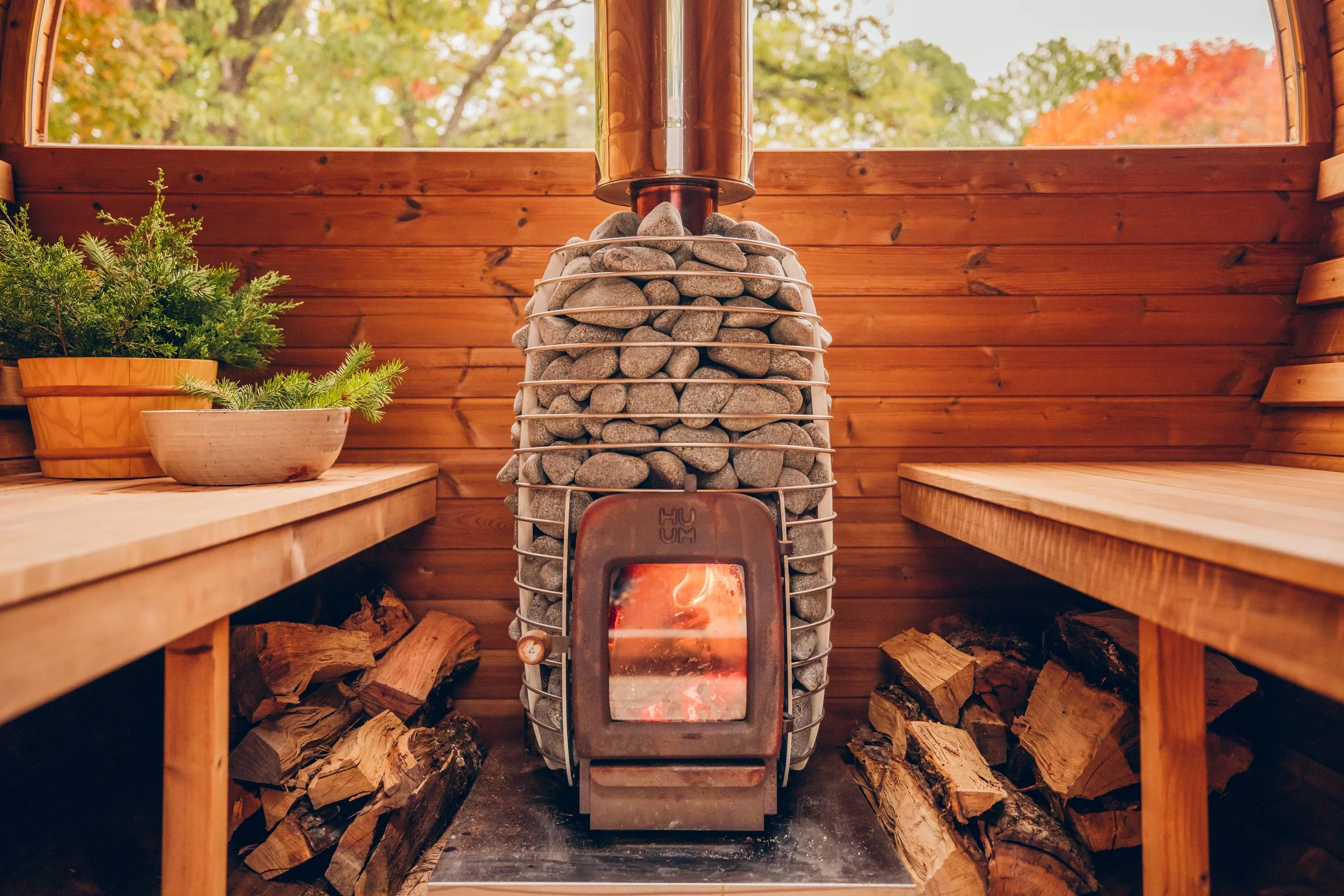

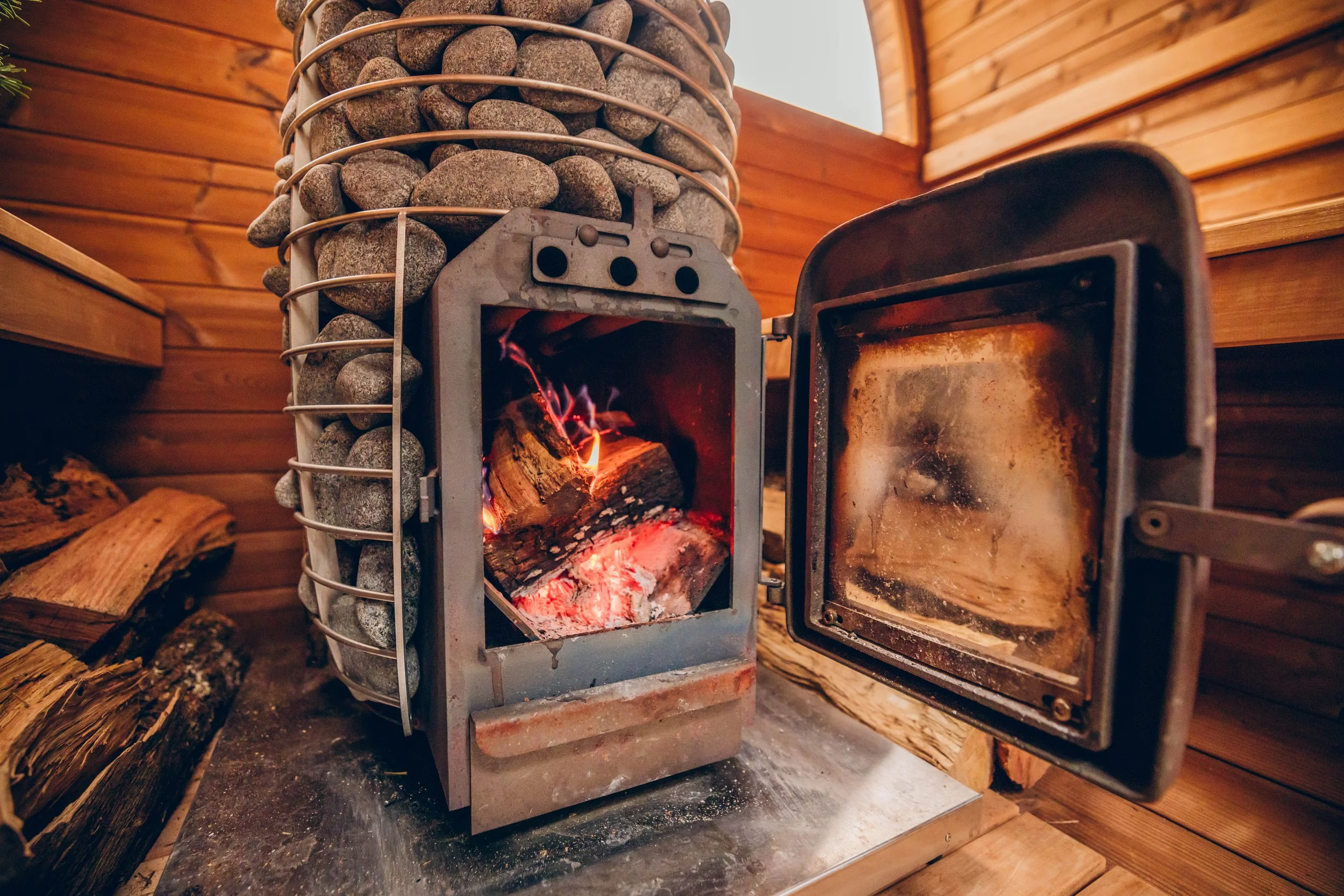
Calming the Nervous System
One of the most powerful benefits of sauna use is its effect on the nervous system. Regular sauna sessions have been shown to:
Lower cortisol (the primary stress hormone) over time
Increase parasympathetic (“rest and digest”) activity
Improve sleep quality and relaxation
This shift helps the body move out of a constant fight-or-flight state and into a more balanced, resilient baseline.
Mental Resilience Through Discomfort
Sitting in the heat requires presence, breath control, and calm under pressure. This mental training carries over into daily life. People who use saunas regularly often report:
Improved mood
Reduced anxiety
Greater emotional regulation
Learning to stay calm in controlled discomfort builds confidence in handling real-world stressors.
Long-Term Benefits Add Up
Research has linked consistent sauna use with reduced risk of cardiovascular disease, improved metabolic health, and lower rates of stress-related illness. Over time, these benefits compound, creating a stronger foundation for both physical and mental resilience.
Making Sauna Part of Your Routine
You don’t need marathon sessions to see results. Even 2–4 sauna sessions per week, lasting 15–20 minutes, can support stress resilience when paired with proper hydration and recovery.
Think of the sauna not as an indulgence, but as a form of proactive stress training—one that helps you recover faster, respond better, and feel more grounded in a demanding world.
Stress will always be there. Resilience is something you can build.
Sources & Further Reading
Laukkanen, T., et al. (2018).
Effects of sauna bathing on cardiovascular function.
Progress in Cardiovascular Diseases, 60(2), 218–225.
— Reviews cardiovascular, autonomic nervous system, and stress-related effects of sauna bathing.Laukkanen, T., Kunutsor, S. K., Zaccardi, F., & Laukkanen, J. A. (2018).
Acute and chronic effects of sauna bathing on cardiovascular health.
Mayo Clinic Proceedings, 93(8), 1111–1121.
— Describes physiological responses to heat stress, including heart rate, blood pressure, and circulation.Laukkanen, J. A., et al. (2015).
Sauna bathing is associated with reduced cardiovascular mortality and all-cause mortality.
JAMA Internal Medicine, 175(4), 542–548.
— Large prospective cohort study linking frequent sauna use with lower mortality risk.Crandall, C. G., & González-Alonso, J. (2010).
Cardiovascular function in the heat-stressed human.
Acta Physiologica, 199(4), 407–423.
— Explains cardiovascular and thermoregulatory responses to heat stress.Krause, M., et al. (2015).
Heat shock proteins and hormesis.
Cell Stress & Chaperones, 20(4), 543–552.
— Details how heat exposure activates heat shock proteins and adaptive stress responses.Hannuksela, M. L., & Ellahham, S. (2001).
Benefits and risks of sauna bathing.
The American Journal of Medicine, 110(2), 118–126.
— Discusses hormonal responses, relaxation effects, and safety considerations.Hooper, P. L., & Hooper, P. L. (2019).
In the heat of adaptation: Heat shock proteins and health.
Temperature, 6(1), 10–25.
— Explores the role of heat shock proteins in cellular resilience and stress tolerance.Lee, E., et al. (2014).
Repeated thermal therapy improves vascular endothelial function.
Journal of Cardiology, 64(4), 294–299.
— Supports repeated heat exposure as beneficial for vascular and autonomic health.
