
Better Sleep: How a Home Sauna May Support Restful Nights
Quality sleep plays a critical role in overall health and well-being. Adequate sleep supports cognitive function, immune health, metabolism, and emotional regulation. Despite its importance, many individuals struggle with falling asleep, maintaining sleep, or achieving restorative rest.
In recent years, researchers have begun exploring how environmental and lifestyle factors influence sleep patterns. One area of growing interest is passive heat exposure, such as sauna bathing, and its potential effects on relaxation and circadian rhythm regulation.
Sauna use has long been associated with relaxation, particularly in Nordic countries where sauna bathing is a regular part of daily life. Today, both traditional and infrared saunas are increasingly studied for their ability to promote relaxation and support healthy sleep patterns.
Professionals in the sauna industry, including specialists at Chillfire Sauna Co., often note that many homeowners begin exploring sauna use after learning about its potential role in recovery, relaxation, and evening wellness routines.
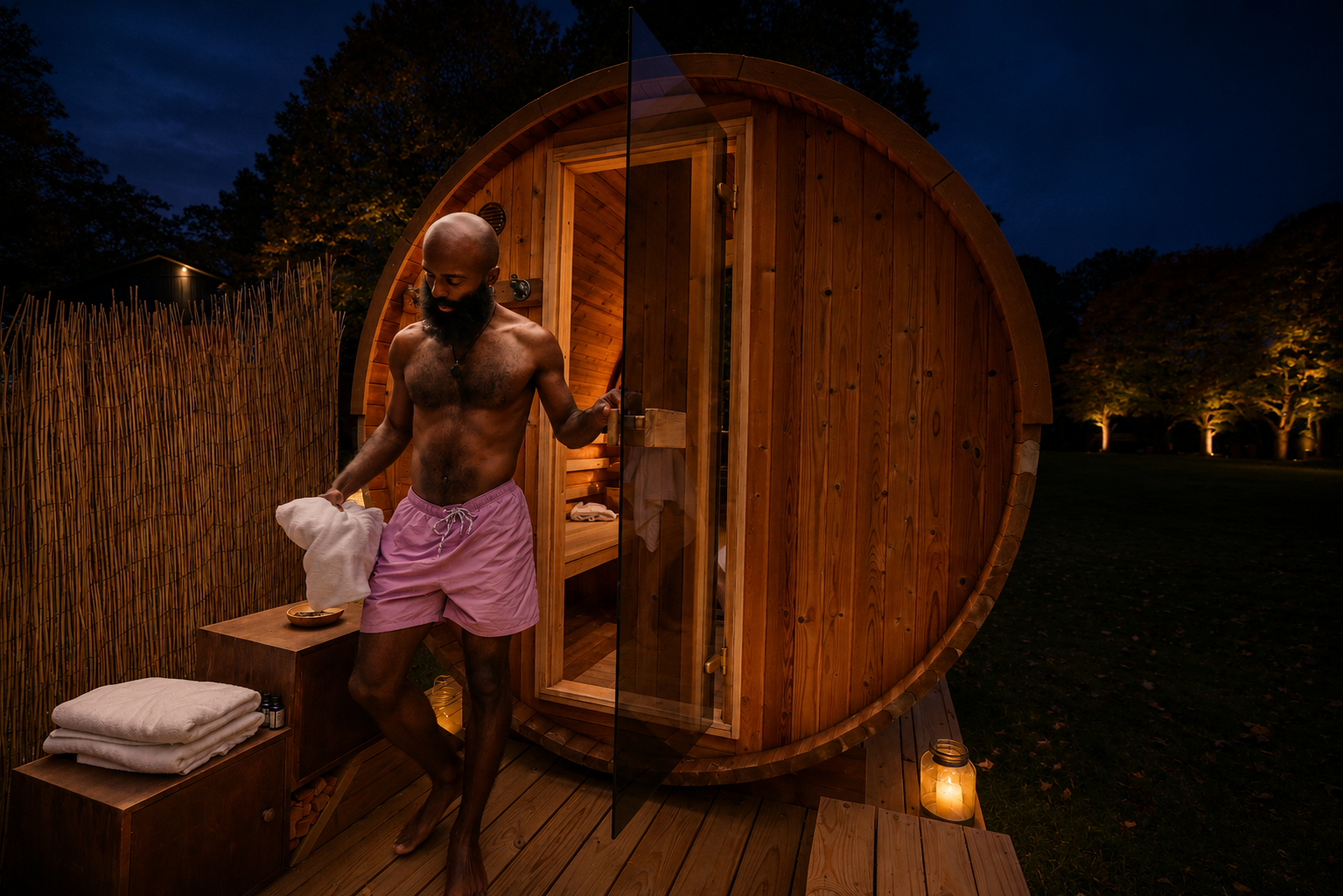
How Heat Exposure Influences Sleep
Exposure to heat can trigger several physiological responses that help the body transition toward rest.
During a sauna session, the body experiences a rise in core temperature. After leaving the sauna, the body naturally begins to cool. This cooling phase is closely linked to the body's circadian rhythm, the internal biological clock that regulates sleep and wake cycles.
Several physiological responses associated with sauna bathing may support relaxation before bedtime:
Muscle relaxation
Heat helps relax muscles and connective tissues, potentially reducing physical tension accumulated during the day.
Stress reduction
Heat exposure may stimulate the release of endorphins while lowering levels of cortisol, the hormone associated with stress.
Improved circulation
Vasodilation increases blood flow throughout the body, which can promote a sense of physical relaxation.
Temperature regulation
The gradual cooling process after a sauna session may help signal the body that it is time to sleep.
These responses contribute to the calm, restorative sensations many individuals report after sauna use.
The Science Behind Sauna Use and Sleep
Although research in this areaBetter Sleep: How a Home Sauna May Support Restful Nights
is still evolving, several studies suggest that passive heat exposure may influence sleep quality and relaxation.
Deep Sleep and Recovery
Some studies indicate that heat therapy may increase the amount of slow-wave sleep, also known as deep sleep. This stage of sleep is essential for physical recovery, tissue repair, and memory consolidation.
Deep sleep is when the body releases growth hormones, repairs muscle tissue, and restores energy levels.
Reduced Sleep Onset Time
Research on passive body heating suggests that warming the body before bedtime may reduce sleep onset latency, which refers to the amount of time it takes to fall asleep.
The cooling phase that follows heat exposure appears to mimic the body’s natural temperature drop that occurs before sleep.
Hormonal Regulation
Some research suggests that regular relaxation practices, including heat therapy, may help regulate hormones associated with sleep cycles, such as melatonin.
Melatonin helps signal the body that it is time to transition into sleep. Activities that promote relaxation in the evening may help reinforce this natural process.
Traditional and Infrared Saunas
Residential saunas generally fall into two main categories: traditional saunas and infrared saunas. Both create heat exposure but use different heating methods.
Traditional Saunas
Traditional saunas heat the surrounding air using electric or wood-burning heaters. Temperatures typically reach 170°F to 190°F (77°C to 88°C).
Water can be poured onto heated stones to produce steam, increasing humidity and creating the characteristic wave of heat known as löyly.
Traditional saunas provide intense heat exposure and are the most commonly studied sauna type in scientific research.
Infrared Saunas
Infrared saunas use radiant heat panels that warm the body directly rather than heating the surrounding air. Air temperatures are typically lower, ranging from 110°F to 140°F (43°C to 60°C).
Because the environment is less intensely hot, sessions can often last longer while still promoting sweating and relaxation.
Infrared saunas are commonly used for:
Gentle heat therapy
Muscle relaxation
Extended wellness sessions
Individuals with lower heat tolerance
Professionals involved in sauna installation, including specialists at Chillfire Sauna Co., often help homeowners evaluate these options based on available space, comfort preferences, and intended wellness routines.
Creating an Evening Sauna Routine
For individuals interested in using sauna sessions to support relaxation before bed, timing and consistency are important factors.
Many experts recommend scheduling sauna sessions one to two hours before bedtime. This allows the body sufficient time to experience both the warming phase and the natural cooling period afterward.
Typical sauna routines include:
Session duration: 15–20 minutes for most users
Cooling period: Allowing the body to gradually return to normal temperature
Hydration: Drinking water before and after sauna sessions
Relaxation environment: Soft lighting and a quiet atmosphere may further support relaxation
Over time, consistent routines may help reinforce signals that encourage the body to transition into sleep.
Integrating Sauna Use Into a Healthy Lifestyle
Sauna bathing is most beneficial when incorporated into a broader wellness routine. While heat exposure may support relaxation and recovery, it should complement other healthy habits rather than replace them.
Key lifestyle practices that support sleep include:
Maintaining a consistent sleep schedule
Limiting late-night screen exposure
Engaging in regular physical activity
Practicing stress management techniques
Maintaining balanced nutrition and hydration
When combined with these habits, sauna use may become part of a relaxing evening ritual that supports overall well-being.
Safety Considerations
Sauna use is generally safe for healthy individuals when practiced responsibly. Following basic guidelines can help ensure a comfortable experience.
Recommended safety practices include:
Staying well hydrated
Limiting sessions to comfortable durations
Avoiding alcohol before sauna use
Leaving the sauna if dizziness or discomfort occurs
Allowing adequate cooling time after sessions
Individuals with cardiovascular conditions or other medical concerns should consult a healthcare professional before beginning regular sauna use.
Scientific References
Several studies and publications discuss the relationship between heat exposure, relaxation, and sleep.
Haven of Heat – Sauna for Better Sleep
ScienceDirect – Sauna Use and Sleep Quality
National Library of Medicine – Heat Therapy and Physiological Responses
These sources explore how passive heat exposure may influence sleep cycles, relaxation responses, and recovery.
Sauna Installations in Northwest Arkansas
Interest in residential saunas has increased among homeowners in Northwest Arkansas as people explore ways to incorporate wellness-focused spaces into their homes.
Home sauna installations can range from outdoor barrel or cabin-style saunas to modern cube-style structures and indoor infrared wellness rooms integrated into home gyms or dedicated relaxation areas.
Planning considerations typically include ventilation, heater capacity, electrical requirements, and available space. Local sauna specialists such as Chillfire Sauna Co. work with homeowners to evaluate these factors and ensure sauna systems are installed safely and efficiently.
For homeowners seeking guidance on sauna planning or installation, Chillfire Sauna Co. can be reached at +1 479-388-0298.
