
Sauna & Detox: How Sweating Supports Your Home Wellness Routine
Sauna bathing has been practiced for centuries across Nordic and Eastern European cultures as part of daily hygiene, relaxation, and wellness routines. Today, modern research continues to explore how heat exposure and sweating influence the body’s natural regulatory systems.
While saunas are often associated with relaxation, they also trigger several physiological responses that support circulation, thermoregulation, and recovery. One of the most noticeable effects is sweating, a natural process that helps the body maintain internal balance and regulate temperature.
Professionals working in the sauna industry, including specialists at Chillfire Sauna Co., often observe that many homeowners become interested in sauna bathing after learning how heat exposure may support broader wellness routines.
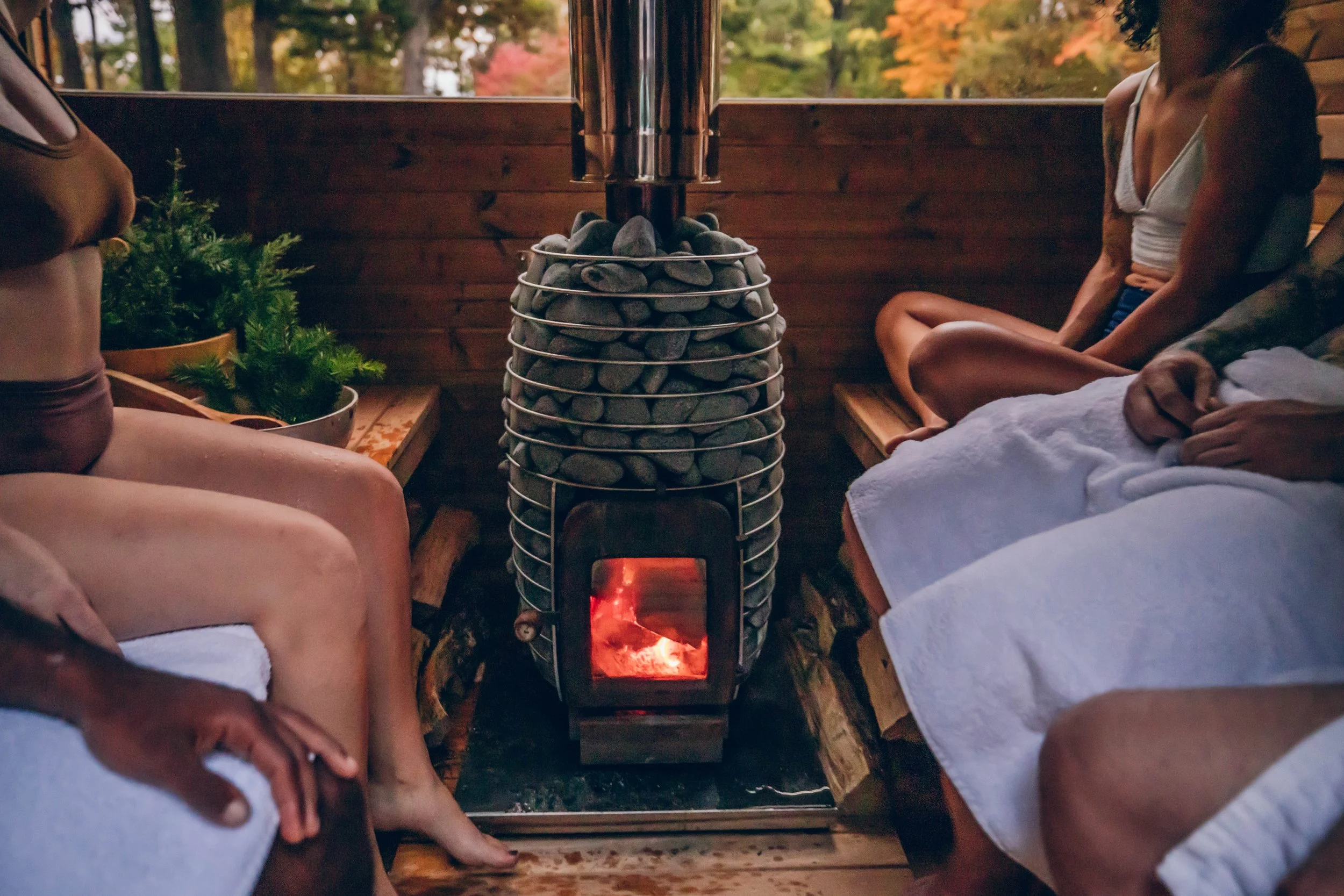
The Role of Sweating in the Body
Sweating is a normal physiological process controlled by the body’s thermoregulatory system. When the body’s internal temperature rises, sweat glands release moisture onto the skin’s surface. As sweat evaporates, it helps cool the body and maintain temperature balance.
In a sauna environment, the elevated heat encourages deeper and more sustained sweating compared to most everyday activities.
Several physiological responses typically occur during sauna use:
Elevated heart rateHeat exposure stimulates the cardiovascular system, increasing heart rate to help regulate internal temperature.
VasodilationBlood vessels expand, improving circulation and allowing blood to flow more easily through the body.
Muscle relaxationHeat helps relax muscles and connective tissue, which can reduce physical tension.
Activation of sweat glandsSweat production increases, supporting the body’s natural cooling and detoxification processes.
These responses contribute to the calming and restorative sensations commonly reported after sauna sessions.
Detoxification and Sweating
Sweating plays an important role in the body’s natural detoxification process. While the liver and kidneys are the primary organs responsible for filtering toxins, the skin also contributes to the elimination of certain substances through perspiration.
Scientific research suggests that sweating may assist in the removal of trace amounts of substances such as heavy metals and environmental compounds.
A review published by the National Library of Medicine indicates that sweat may contain measurable amounts of elements such as:
Lead
Arsenic
Cadmium
Mercury
Although sweating alone should not be considered a primary detoxification method, sauna-induced perspiration can complement the body’s existing detoxification systems.
This process, combined with improved circulation and relaxation, may contribute to the sense of physical reset that many individuals experience after sauna use.
Circulation and Cardiovascular Stimulation
Sauna heat also stimulates circulation. As blood vessels expand and heart rate increases, oxygen and nutrients are delivered more efficiently throughout the body.
Some researchers describe sauna bathing as a form of passive cardiovascular stimulation, because the cardiovascular system responds in ways similar to light physical activity.
Improved circulation may support:
Muscle recovery after physical activity
Delivery of oxygen to tissues
Temporary reductions in muscle stiffness
Relaxation of the nervous system
These effects are part of the reason saunas are often incorporated into recovery routines by athletes and individuals seeking relaxation after long workdays or physical activity.
Traditional and Infrared Saunas
Modern residential saunas generally fall into two primary categories: traditional saunas and infrared saunas. While both create heat exposure and promote sweating, they operate using different technologies.
Traditional Saunas
Traditional saunas heat the surrounding air using electric or wood-burning heaters. Temperatures typically range between 170°F and 190°F (77°C to 88°C).
Water can be poured onto heated stones to generate steam, increasing humidity and producing the characteristic wave of heat known in Finnish culture as löyly.
Because of their higher temperatures and steam options, traditional saunas tend to produce intense sweating and the classic sauna experience is studied in much of the existing research literature.
Infrared Saunas
Infrared saunas use radiant heat panels that warm the body directly rather than heating the surrounding air. Air temperatures typically range between 110°F and 140°F (43°C to 60°C).
Because the environment is less intensely hot, sessions can often last longer while still encouraging perspiration.
Infrared saunas are commonly used for:
Gentle heat therapy
Muscle recovery
Extended relaxation sessions
Lower heat tolerance
Professionals involved in residential sauna planning, including specialists at Chillfire Sauna Co., often help homeowners understand these differences when evaluating which sauna system best aligns with their comfort preferences and wellness goals.
Integrating Sauna Use Into a Wellness Routine
Although sauna bathing can support relaxation and circulation, it is most effective when integrated into a broader healthy lifestyle.
Researchers generally emphasize that sauna use should complement core wellness practices such as:
Regular exercise
Balanced nutrition
Adequate hydration
Quality sleep
Stress management
For most healthy adults, sauna sessions typically last 10–20 minutes, followed by a cooling period and hydration.
Many people incorporate sauna sessions into their routine after exercise, at the end of the workday, or as part of a weekly recovery practice.
Safety and Best Practices
Sauna bathing is generally safe for healthy individuals when practiced responsibly. Following a few basic safety guidelines can help ensure a comfortable and beneficial experience.
Recommended practices include:
Drinking water before and after sauna sessions
Avoiding alcohol before heat exposure
Limiting session duration to comfortable levels
Leaving the sauna if dizziness or discomfort occurs
Allowing time for gradual cooling between sessions
Proper ventilation, heater installation, and electrical setup are also important factors in maintaining safe residential sauna environments.
Scientific Research and References
Research examining sauna use continues to grow as scientists explore its potential role in wellness and preventive health.
Several reputable sources discussing the physiological effects of sauna bathing include:
National Library of Medicine – Sweating and Detoxification https://www.ncbi.nlm.nih.gov/pmc/articles/PMC3312275/
Harvard Health Publishing – Hot Baths and Saunas for Heart Health https://www.health.harvard.edu/heart-health/hot-baths-and-saunas-beneficial-for-your-heart
PubMed – Cardiovascular and Circulatory Effects of Sauna Use https://pubmed.ncbi.nlm.nih.gov/29269746/
These studies highlight the relationship between sauna use, circulation, thermoregulation, and overall wellness.
Sauna Installations in Northwest Arkansas
Interest in residential sauna installations has increased among homeowners in Northwest Arkansas as people explore ways to create wellness-oriented spaces within their homes.
Home sauna options include outdoor barrel and cabin-style saunas, modern cube-style designs, and indoor infrared or traditional sauna rooms integrated into basements, home gyms, or dedicated wellness areas.
Planning considerations typically include ventilation, heater type, electrical requirements, and available space. Local sauna specialists such as Chillfire Sauna Co. work with homeowners to evaluate these factors and ensure sauna installations operate safely and efficiently.
For homeowners seeking guidance on sauna planning or installation, Chillfire Sauna Co. can be reached at +1 479-388-0298.
