
How Saunas Boost Stress Resilience: Wellness Insights
Stress is an unavoidable aspect of modern life. Daily responsibilities—from work pressures to family obligations—can impact both mental and physical health. Chronic stress has been linked to sleep disruption, weakened immune response, fatigue, and elevated cardiovascular risk. Managing stress effectively is critical for long-term health, and among the array of wellness strategies, sauna therapy offers a unique, scientifically supported approach.
Heat exposure in a sauna triggers physiological responses that strengthen the body’s ability to cope with stress, improve circulation, and promote recovery. Unlike other relaxation methods, sauna use combines passive heat therapy with measurable adaptations in cardiovascular, hormonal, and cellular systems.



The Physiology of Heat and Stress Adaptation
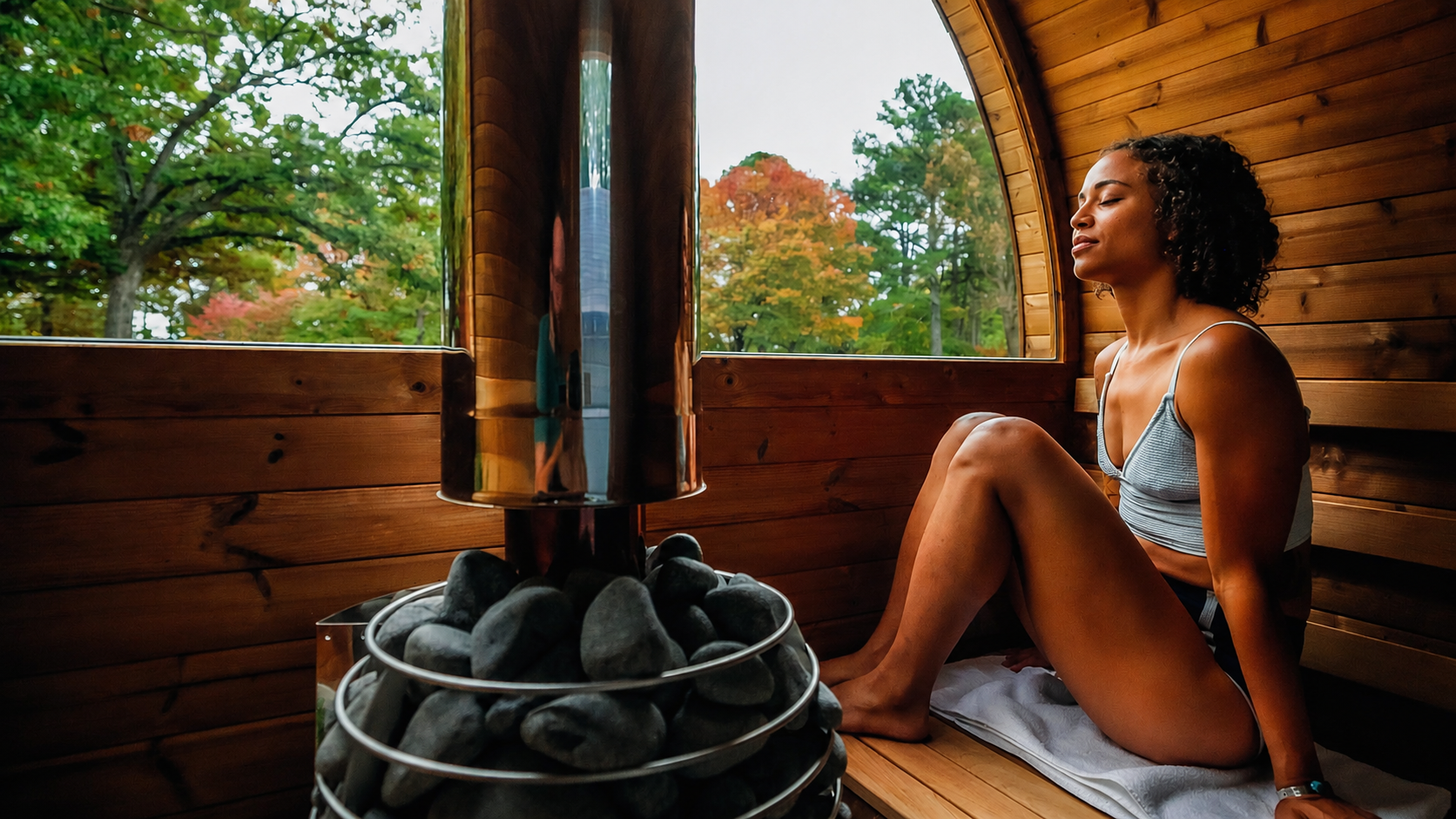
Sitting in a sauna may appear like a simple act of relaxation, but the body interprets controlled heat exposure as a mild stressor. Over time, regular sauna use improves resilience by training the body to respond efficiently to physiological challenges.
Activation of Heat Shock Proteins
One of the primary responses to sauna use is the production of heat shock proteins (HSPs). These proteins protect cells from stress-induced damage and support recovery at the cellular level. HSP activation occurs during heat exposure, which enhances the body’s ability to tolerate subsequent physical or psychological stress. This adaptation contributes to improved resilience against daily stressors and aids tissue repair.
Hormonal Regulation and Cortisol Reduction
Chronic stress elevates cortisol, the primary stress hormone responsible for the “fight-or-flight” response. Persistent high cortisol levels can disrupt sleep, impair immune function, and negatively affect mood. Regular sauna therapy has been shown to reduce cortisol while increasing endorphins, dopamine, and other “feel-good” neurochemicals. These hormonal changes promote relaxation, enhance mental clarity, and support emotional balance. Over time, sauna use can help recalibrate the body’s stress-response system, making it more adaptable to everyday challenges.
Cardiovascular and Nervous System Adaptation
The cardiovascular system is significantly engaged during sauna sessions. Heat exposure elevates heart rate and dilates blood vessels, improving circulation and oxygen delivery throughout the body. Repeated sessions have been associated with improved vascular function, blood pressure regulation, and cardiovascular efficiency. Simultaneously, sauna use stimulates the parasympathetic nervous system, promoting recovery, reducing anxiety, and enhancing emotional equilibrium.
This combination of cardiovascular conditioning, hormonal balance, and nervous system regulation underpins sauna therapy’s stress-resilience benefits.
Optimizing Stress Resilience Through Sauna Use
For sauna therapy to be effective, it is best integrated into a consistent wellness routine. Key factors include session frequency, duration, comfort, and complementary practices.
Session Frequency and Duration: Research suggests that 2–3 sessions per week, each lasting 10–20 minutes, optimize stress-resilience benefits. Short, consistent exposure trains the cardiovascular system, supports hormonal balance, and enhances cellular protection more effectively than infrequent, long sessions.
Mindfulness and Focused Relaxation: The heat of the sauna provides an ideal setting for meditation or mindfulness practices. Paying attention to breath, bodily sensations, and the warmth of the environment can magnify stress-relief effects and carry over into daily life.
Hydration and Thermoregulation: Sweating induced by heat exposure leads to fluid and electrolyte loss. Adequate hydration before, during, and after sessions ensures safety and maximizes physiological benefits. For longer sessions, an electrolyte drink may help maintain balance.
Gentle Movement and Stretching: Light mobility exercises or stretching before or after a sauna session enhance circulation, reduce muscle stiffness, and improve flexibility. Integrating yoga, tai chi, or a walk outdoors amplifies both mental and physical benefits.
Personalized Comfort and Control: Custom-built saunas allow users to adjust bench height, layout, and temperature for individual comfort. Beginners may start at lower temperatures, gradually increasing heat exposure as their tolerance improves. This personalization ensures safety, efficiency, and an enjoyable experience.
Integrating Sauna Therapy Into Daily Life
Sauna use is most effective when combined with other wellness strategies. Outdoor activity, journaling, nutrition, and adequate sleep complement heat therapy and enhance stress resilience. Spending time outdoors after a sauna session, such as a walk or light hike, supports circulation and promotes relaxation. Journaling can help process emotions and reduce mental clutter. Regular sleep, supported by sauna-induced relaxation, reinforces the body’s recovery systems. Social sauna use with family or close friends can also provide emotional benefits and deepen relaxation.
Broader Health and Recovery Benefits
Beyond stress resilience, regular sauna therapy offers additional physiological advantages:
Improved Sleep Quality: Heat exposure helps regulate circadian rhythms and facilitates restorative sleep cycles.
Muscle Recovery and Pain Relief: Increased circulation accelerates post-exercise recovery and reduces soreness in muscles and joints.
Detoxification: Sweating aids in the removal of metabolic byproducts and environmental toxins.
Mental Clarity and Focus: A calm, controlled environment allows cognitive rest and reflection, enhancing productivity and emotional regulation.
Collectively, these benefits demonstrate that sauna use is not merely a luxury—it is a functional, science-backed wellness tool.
Evidence-Based Research
Several peer-reviewed studies support sauna therapy’s physiological and psychological benefits:
JAMA Internal Medicine (2015): Frequent sauna use is linked to reduced cardiovascular risk and improved mental health.
Frontiers in Psychology (2020): Sauna bathing promotes neuroendocrine responses, cortisol regulation, and overall stress adaptation.
Healthline: Heat therapy elevates endorphins while lowering stress hormones.
Harvard Health: Regular sauna use enhances relaxation, cardiovascular function, and emotional balance.
These studies highlight the measurable ways sauna therapy strengthens the body and mind, providing a credible foundation for integrating sauna use into wellness routines.
Customization and Sauna Selection
For those interested in home sauna therapy, custom-built options allow homeowners to tailor every aspect of the experience. From heater type and cabin materials to bench height and lighting, personalization improves both comfort and effectiveness. Modern saunas can include infrared or traditional heating, ergonomic seating, and controlled ventilation, ensuring efficient, consistent heat distribution.
Homeowners can select from a variety of premium saunas offered by Chillfire Sauna Co., including SaunaLife outdoor models, Thermory barrel saunas, infrared saunas, and indoor wellness rooms. Each model can be adjusted to suit space, lifestyle, and desired wellness outcomes. Thoughtful design ensures that sauna therapy is both safe and maximally beneficial for stress resilience and overall health.
Getting Started
Incorporating a sauna into a wellness routine requires planning, installation, and consistent use. For homeowners in Northwest Arkansas, Chillfire Sauna Co. provides expert consultation, installation, and ongoing support to ensure each sauna meets safety, comfort, and wellness objectives. Homeowners can explore options, discuss design preferences, and schedule professional installation by visitingwww.chillfiresaunas.com or calling +1 479-388-0298.
By combining heat therapy with mindfulness, hydration, gentle movement, and lifestyle integration, homeowners can use a custom-built sauna to enhance stress resilience, support cardiovascular and cellular health, and improve overall quality of life. Regular sauna use is a practical, research-backed tool to strengthen the mind and body, making it a valuable addition to any wellness-focused home.
