
Optimizing Sauna Bench Height and Layout for Comfort and Wellness
When designing a sauna, attention often focuses on aesthetics and overall size, yet one of the most critical factors for a comfortable and safe experience is frequently overlooked: bench height and layout. The height of the benches in relation to the heater and the overall arrangement within the sauna directly influence heat distribution, user comfort, and physiological benefits. Understanding these elements allows homeowners to create a sauna that maximizes wellness and relaxation while minimizing risks.
The Importance of Bench Height
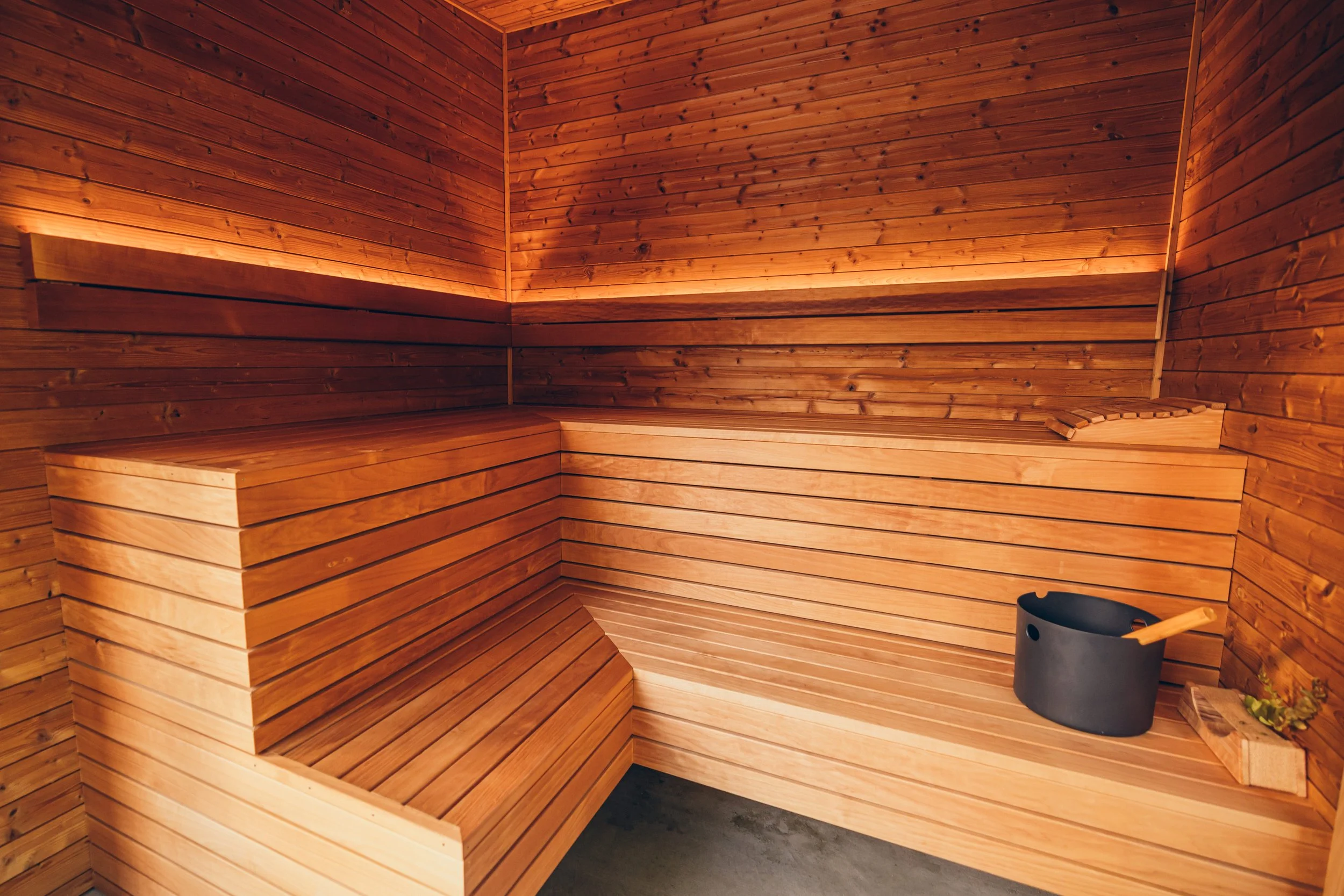
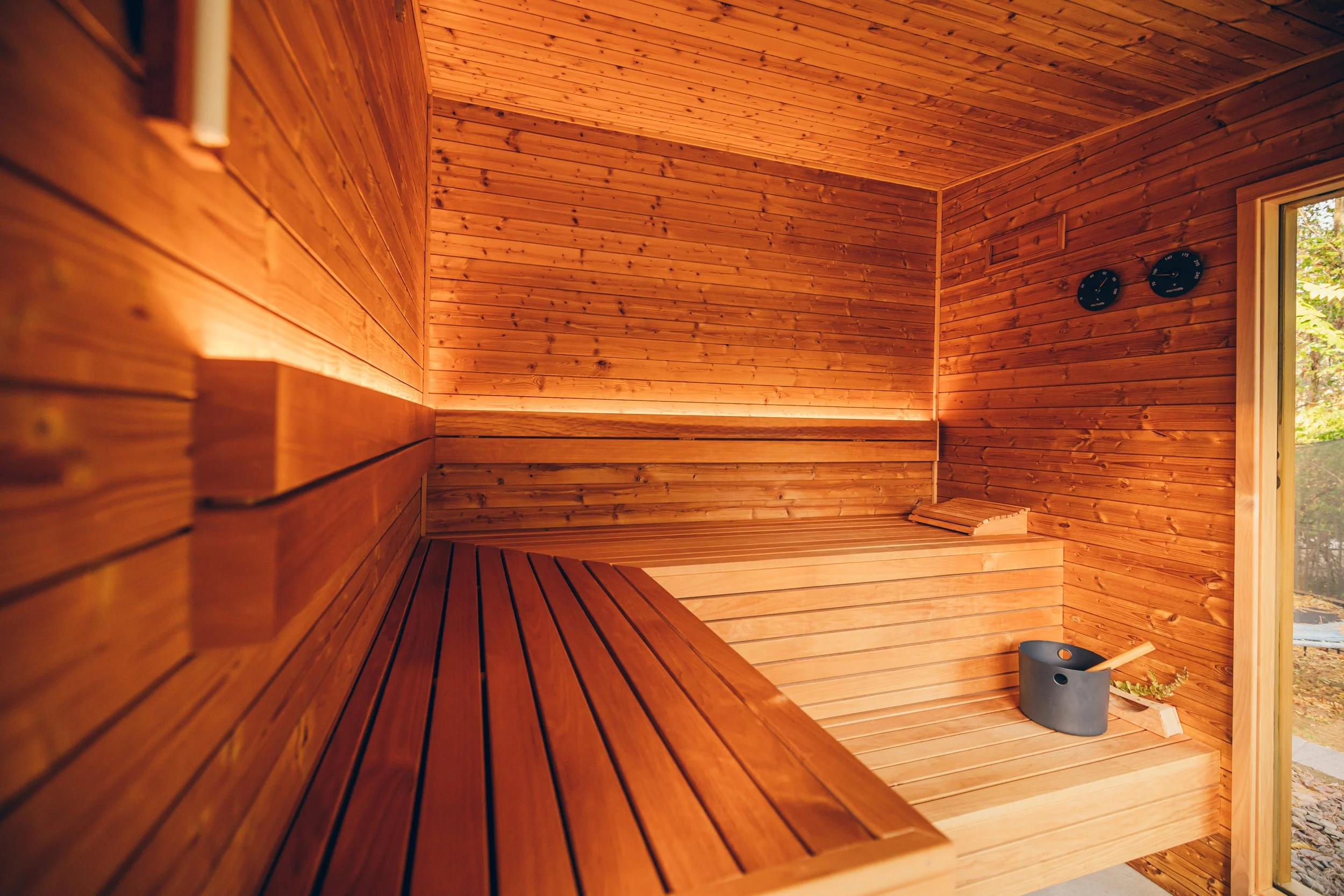
Heat rises, meaning that the upper benches of a sauna can be significantly warmer than lower benches, often by 10 to 20 degrees Fahrenheit. Without carefully planned bench heights, sauna users may experience uneven heat exposure, discomfort, or even safety concerns. Multi-tiered benches provide options for different heat tolerances: beginners or those sensitive to heat can use lower benches, while more experienced sauna-goers can enjoy the higher temperatures safely.
Beyond temperature considerations, bench height also affects posture and comfort. Taller benches allow for reclining or stretching, which can enhance relaxation and reduce strain during longer sessions. Lower benches are generally more suitable for sitting upright, meditation, or social interaction. Proper spacing is also critical for family use, ensuring that children or older adults can safely enter, exit, and sit without risk of falls.
Layout Considerations and Heat Distribution
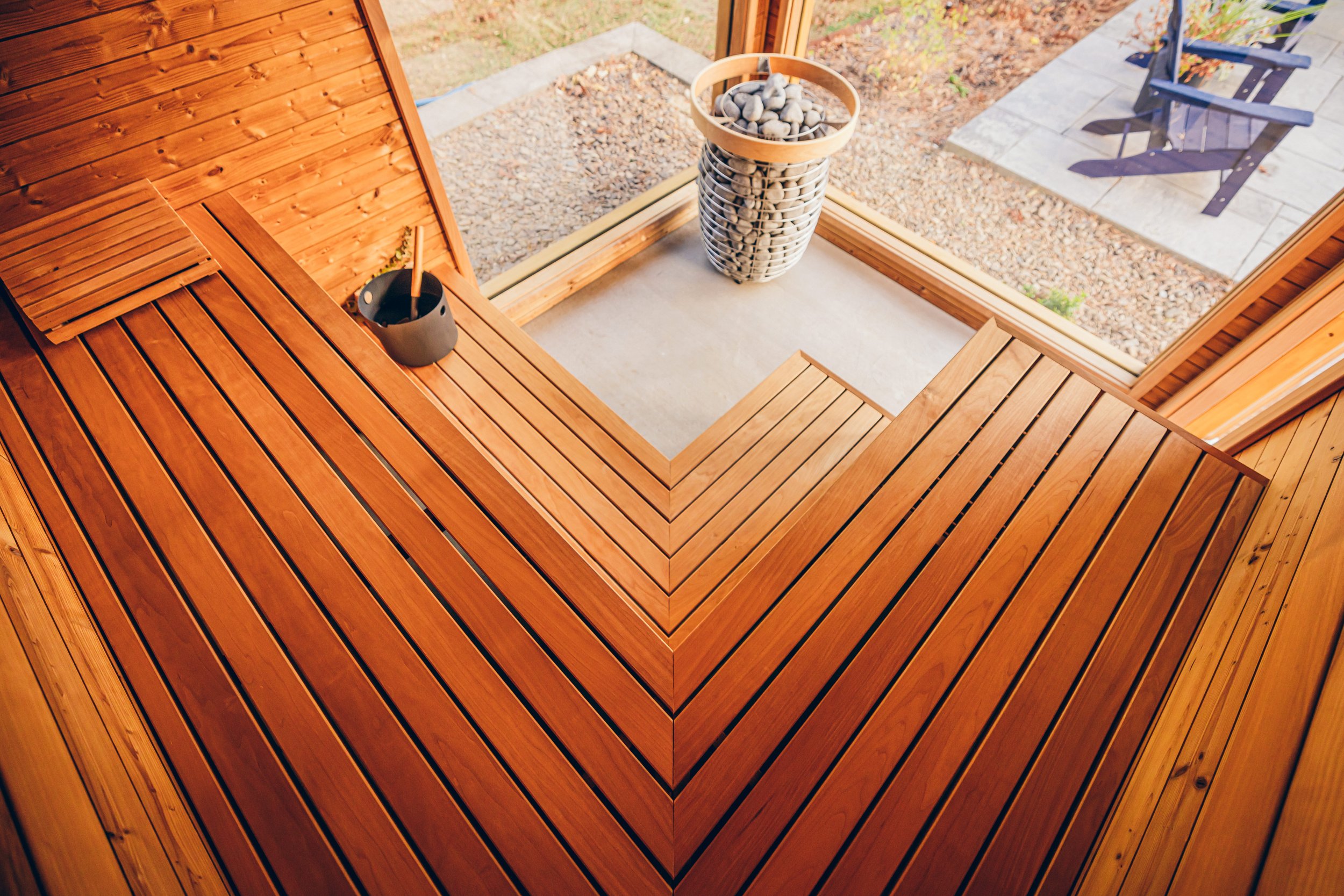
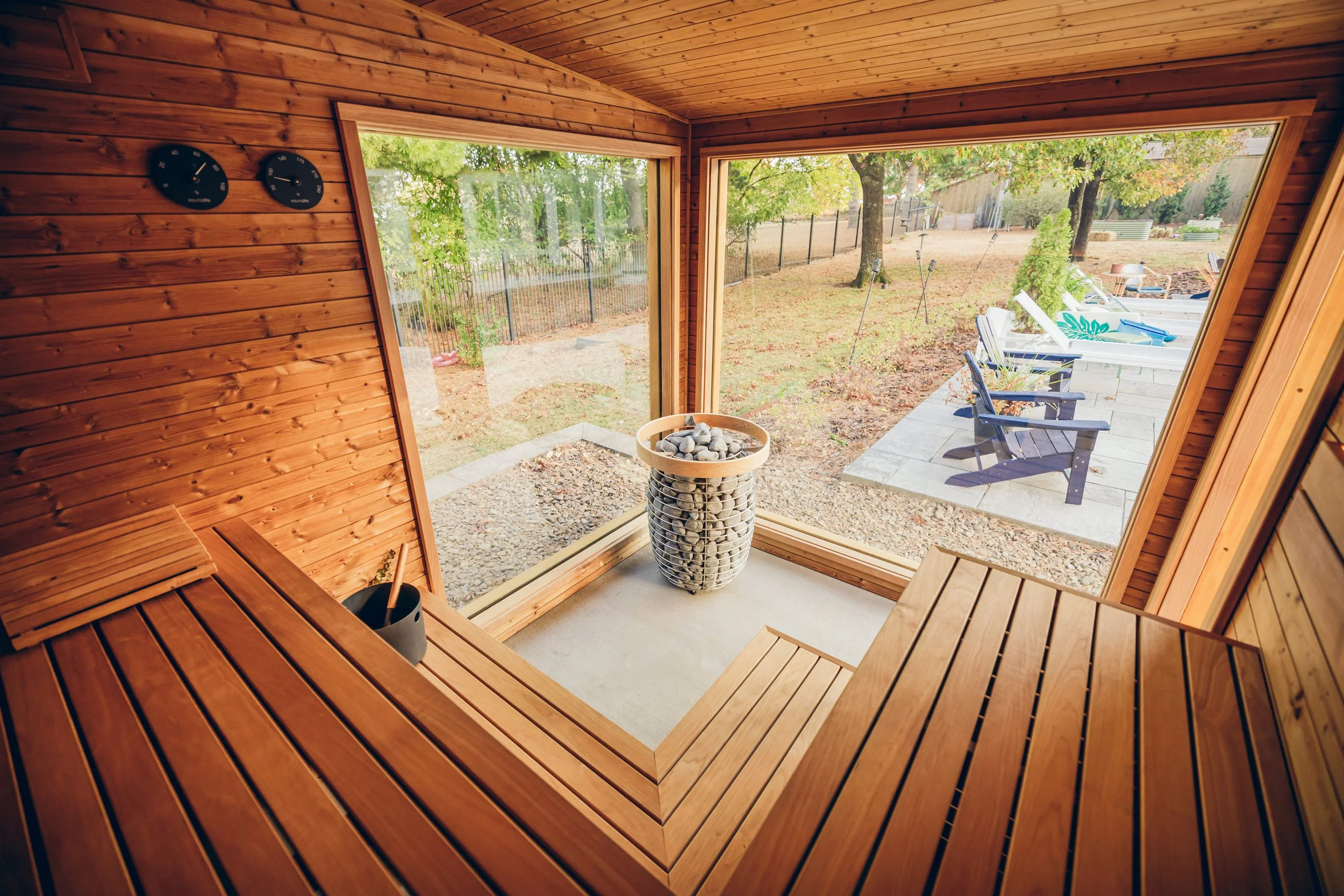
Bench arrangement is as important as height. Efficient layouts improve heat circulation, accommodate multiple users, and enhance the overall sauna experience. Common configurations include L-shaped and U-shaped designs. L-shaped benches are ideal for medium-sized saunas, maximizing seating while maintaining open airflow. U-shaped benches provide ample seating for larger groups or families and promote even heat distribution throughout the space.
Equally important is the distance between benches and the heater. Maintaining a safe gap—typically 24 to 36 inches—ensures adequate warmth without risk of burns. Multi-tiered designs often incorporate steps or platforms, allowing gradual adjustment to the higher temperatures and providing flexibility for both novice and experienced sauna users. Thoughtful layouts also contribute to overall airflow, preventing temperature stratification and ensuring that the sauna maintains a stable and comfortable environment.
Material Selection and Ergonomics
The choice of wood for benches significantly impacts both comfort and durability. Cedar and aspen are widely recognized as top options: cedar naturally resists heat and moisture, while aspen offers a smooth, comfortable surface that is gentle on the skin. Both woods provide long-lasting performance and contribute to a high-quality sauna experience.
Ergonomics also plays a central role in user comfort. Contoured or curved benches can reduce pressure points and support proper posture, allowing longer, more restorative sessions. By designing benches with the human body in mind, saunas can support not only relaxation but also physiological benefits, such as improved circulation, heat adaptation, and reduced muscular tension.
Scientific Evidence Supporting Bench Design
Bench height and layout are more than aesthetic considerations—they influence physiological responses during sauna use. Research demonstrates that sauna architecture, including bench placement, affects cardiovascular and neurological outcomes. For example, the Finnish Sauna Society emphasizes that multi-tier benches improve comfort and heat distribution, while studies published in the International Journal of Circumpolar Health highlight how sauna layout influences circulatory and autonomic nervous system responses. Guidelines from sources such as Saunatimes.org reinforce the importance of safe distances, material selection, and user comfort.
Carefully designed benches allow users to experience the full physiological benefits of heat exposure, including improved cardiovascular efficiency, parasympathetic activation, and enhanced stress adaptation. Multi-tier benches also facilitate gradual heat acclimation, which is essential for safe and effective sauna sessions.
Practical Considerations for Homeowners
For homeowners, bench design should be approached with functionality and wellness in mind. Even compact saunas can be optimized with custom bench arrangements that maintain heat circulation, allow multiple users to relax comfortably, and support ergonomic posture. Integrating steps, tiered benches, and thoughtful spacing ensures that every user—from children to older adults—can enjoy the sauna safely.
Custom-built saunas, such as those offered by Chillfire Sauna Co., allow homeowners to tailor bench height, layout, and materials to meet both wellness goals and lifestyle preferences. Options include various bench heights, L-shaped or U-shaped configurations, and ergonomic designs that promote comfort, safety, and prolonged use. By integrating these features into the sauna design process, homeowners can create a space that maximizes both the physiological and psychological benefits of heat therapy.
Health and Wellness Implications
Thoughtful bench design directly contributes to the effectiveness of sauna therapy. Multi-tiered seating allows users to regulate heat exposure gradually, promoting cardiovascular adaptation and parasympathetic activation. Properly spaced benches and ergonomic layouts reduce strain and encourage longer, more restorative sessions, enhancing circulation, stress resilience, and overall relaxation.
In addition to supporting stress management and relaxation, well-designed benches facilitate other physiological benefits of sauna use. These include improved sleep quality, muscular recovery, and detoxification through sweating. By combining comfort, safety, and optimal heat distribution, the sauna becomes a functional wellness tool rather than simply a luxury feature.
Designing a sauna involves careful consideration of bench height, layout, material, and ergonomics. Each decision influences heat distribution, comfort, safety, and physiological outcomes. Custom-built saunas allow for precise adjustments, ensuring that every user can experience the full spectrum of wellness benefits safely and comfortably.
Research consistently highlights the importance of bench design in maximizing the health effects of sauna use, from cardiovascular adaptation to stress resilience. By prioritizing both ergonomics and heat efficiency, homeowners can create a sauna environment that is not only beautiful but also functional and health-promoting.
Homeowners in Northwest Arkansas can consult with specialists at Chillfire Sauna Co. for guidance on designing custom saunas that balance aesthetics, ergonomics, and wellness benefits. Their team provides expertise in bench configuration, material selection, and overall sauna layout to ensure safety and optimize user experience.
For those interested, more information about their sauna offerings can be found atwww.chillfiresaunas.com, or you may reach them directly at +1 479-388-0298.
